
Introduction: Why Freelance Marketplaces Collect User Data
A freelance marketplace cannot run on air. It needs names, payment details, messages, and a trail of clicks so accounts can work, projects can be matched, and transactions can move without constant manual checking. That is the practical answer to the question of what information can a freelance marketplace collect about users.
There is a simple reason for this. A marketplace has to know who can log in, who can pay, who can be paid, and who has broken a rule. Without those details, even a small dispute can stall for days, and a support team ends up guessing instead of checking facts.
Data collection also shapes the user experience in specific ways. If a client searches for a designer in Berlin, the platform may need location fields and profile tags; if a seller wants faster payouts, the platform must store payout preferences and tax records.
Some users dislike the idea at first. Fair enough. Still, a marketplace that cannot connect an account to a real person is exposed to spam, fraud, and fake reviews, which means the basic service becomes noisy and less trustworthy.
Basic Account Information
Most platforms start with the obvious fields: name, email address, phone number, password, profile photo, location, and account type. Exact fields vary by platform, but the first step is nearly always the same: create a login that can be tied to a real user and a working inbox.
Email address and phone number are not decorative. They are used for login, password resets, notifications, and sometimes two-step verification. A password should be stored safely by the platform, not shown back to anyone, and that sounds basic because it is basic.
Location matters more than many newcomers expect. A platform may ask for a country, city, or time zone, because project timing, tax handling, and payment rules often depend on it. One freelancer can appear in search results differently from another if location is part of the filter logic.
Account type is another practical field. A user may register as a client, freelancer, or both, and that choice affects what the profile shows, which tools appear in the dashboard, and which legal notices apply. Small detail, big effect.
Profile and Professional Information
The public profile is where the marketplace becomes a marketplace. Users may add portfolio items, skills, job history, education, certifications, languages, rates, availability, and other profile content they choose to publish. A copywriter may list editorial experience; a developer may attach GitHub links; a translator may add three working languages. The platform collects what the user enters, and that often becomes the main signal for search.
Portfolio details can include images, files, project descriptions, and client names if the user decides to show them. A single portfolio entry may reveal more than a biography ever would, because it can show style, tool choices, and the level of work the user actually delivers. That is useful for clients, but it also means the user should think before uploading old drafts or private client material.
Rates and availability matter in a direct way. A freelancer who lists a fixed hourly rate is easier to filter than one who only says “open to offers.” Availability can also affect matching; a client with a 48-hour deadline is unlikely to want someone who is booked for 3 weeks.
Some people treat profile fields like filler text. Bad idea. If a marketplace offers badges, specializations, or skill tests, those fields become part of the user’s visible identity and may influence ranking, invitations, and trust, which is why a careful profile often performs better than a rushed one.
Payment and Billing Information
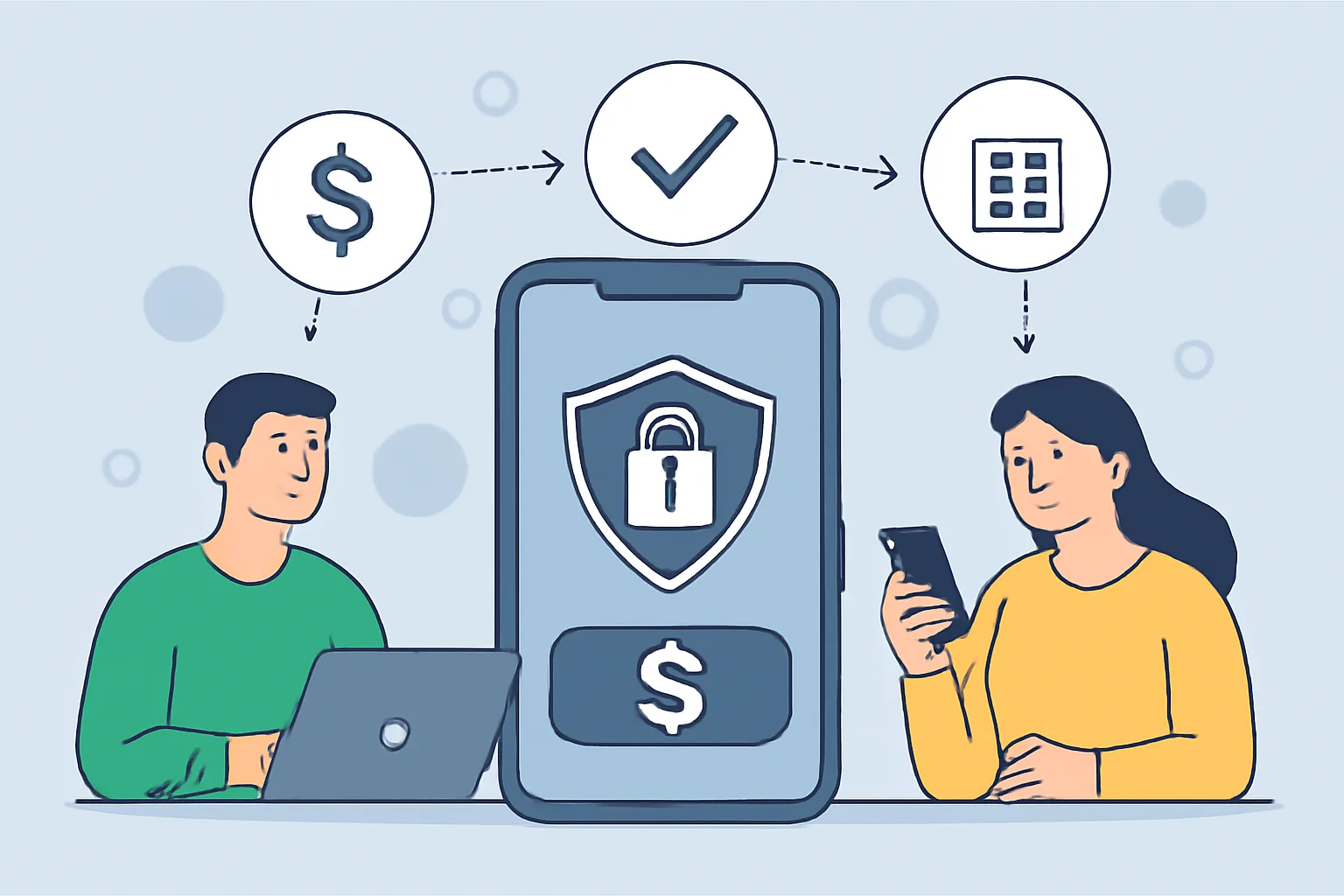
Money changes the data picture immediately. A freelance marketplace may collect billing address, payment method details, invoices, transaction records, tax information, and payout preferences. That is how the platform charges clients, pays freelancers, and keeps records for accounting.
Payment method details can vary by provider. Sometimes the marketplace stores only a token from a payment processor; sometimes it stores more billing data for verification or recurring charges. Users should assume that anything tied to a card, bank account, or payout account receives extra protection and extra review.
Invoices and transaction records are often kept for years. They show who paid, when the payment happened, what service was sold, and whether fees were applied. If a dispute appears later, those records become the first place support looks.
Tax information can include taxpayer names, tax IDs, or forms required by local law. A platform that pays freelancers across borders may need that information before releasing funds. This is not a side detail. It is what keeps the payment flow legal in many countries.
One practical point gets overlooked: payout preferences can change. A freelancer may start with PayPal, then switch to bank transfer or another supported method. The marketplace has to keep the old record for audit purposes, which means payment data tends to accumulate rather than disappear.
Usage, Device, and Technical Data
Not all collected information comes from a form. A freelance marketplace may also collect IP address, browser type, device identifiers, log files, cookies, app activity, and session information. This happens automatically while the platform runs, and most users never notice until they read the privacy policy.
Log files help diagnose problems. If a page fails at 14:03, the platform can inspect the session data and see whether the issue came from the browser, the server, or a bad network connection. That saves time. It also leaves a paper trail.
Cookies and similar tools can remember login state, search filters, and language settings. They may also support analytics or advertising, depending on the platform and the user’s choices. A freelancer who keeps selecting “graphic design” as a tag does not want to rebuild the search every visit, and the cookie quietly helps with that.
Device identifiers can be sensitive when combined with other signals. A marketplace may use them to spot suspicious login patterns, repeated failed attempts, or sudden changes in device location. One new IP address is normal; five in five minutes looks different.
For readers who want a broader look at platform organization, the page on all tags on the freelance marketplace shows how a site can structure categories and filters without making the interface confusing.
Communication and Support Records
Messages are often the most revealing part of a freelance marketplace. The platform may store chat logs, proposal notes, support tickets, dispute details, attachments, and other communications for service, moderation, or security purposes. A short message saying “please send the final file by Friday” can later matter as evidence.
Attachments deserve special care. A contract draft, screenshot, logo file, or voice note can reveal project scope, client names, or private business information. Once uploaded, that file may sit inside the marketplace system long after the project ends, depending on retention rules.
Support tickets are not just complaint forms. They often contain account emails, order IDs, payment traces, and explanations from both sides. If a freelancer asks why a payout is delayed, support may keep the thread because it documents the sequence of events. That record can help the next agent avoid repeating the same question.
Disputes can become even more detailed. A marketplace may store timestamps, revision notes, proof of delivery, and moderator decisions. In a hard case, the facts matter more than the tone, and a single attachment can tip the balance.
If a user is unsure how platform behavior affects trust, the guide on how to hire a freelancer safely explains why written communication and clear records reduce risk on both sides.
Verification, Compliance, and Security Checks
Some marketplaces ask for identity verification before allowing withdrawals, certain project types, or higher limits. That process may involve government ID, selfie checks, address confirmation, or background screening where required. The goal is not curiosity. The goal is reducing fraud and meeting legal obligations.
A selfie check usually compares a live image with the ID document. Address confirmation may require a utility bill or bank statement. These checks are common in payment-sensitive services because stolen accounts and fake identities can cause real losses very quickly.
Background screening is more restricted. It may appear only for special categories, certain regions, or client demands. The marketplace should explain why it asks for the check, how long the data is kept, and who can see the result. Users should not have to guess.
Security checks can also run silently. A platform may flag unusual login timing, mismatched country data, or suspicious file activity. That can trigger a temporary lock, a request for more proof, or a support review. Annoying? Sometimes. Better than losing funds.
For people working on professional presentation, freelancer reviews are a useful reminder that verification and reputation are linked, even when the link is not obvious at first glance.
How Collected Data May Be Shared or Used
A marketplace rarely keeps data for a single purpose. Account management, marketplace matching, fraud prevention, legal compliance, analytics, and sharing with service providers or payment processors are all common uses. The same email address can help with login, billing, and fraud checks in the same week.
Matching is one of the most visible uses. If a client posts a project for a Spanish-to-English translation, the platform may look at language fields, category tags, response history, and availability. If the same freelancer has marked themselves busy for 10 days, the system may rank them lower. That is not magic; it is sorting.
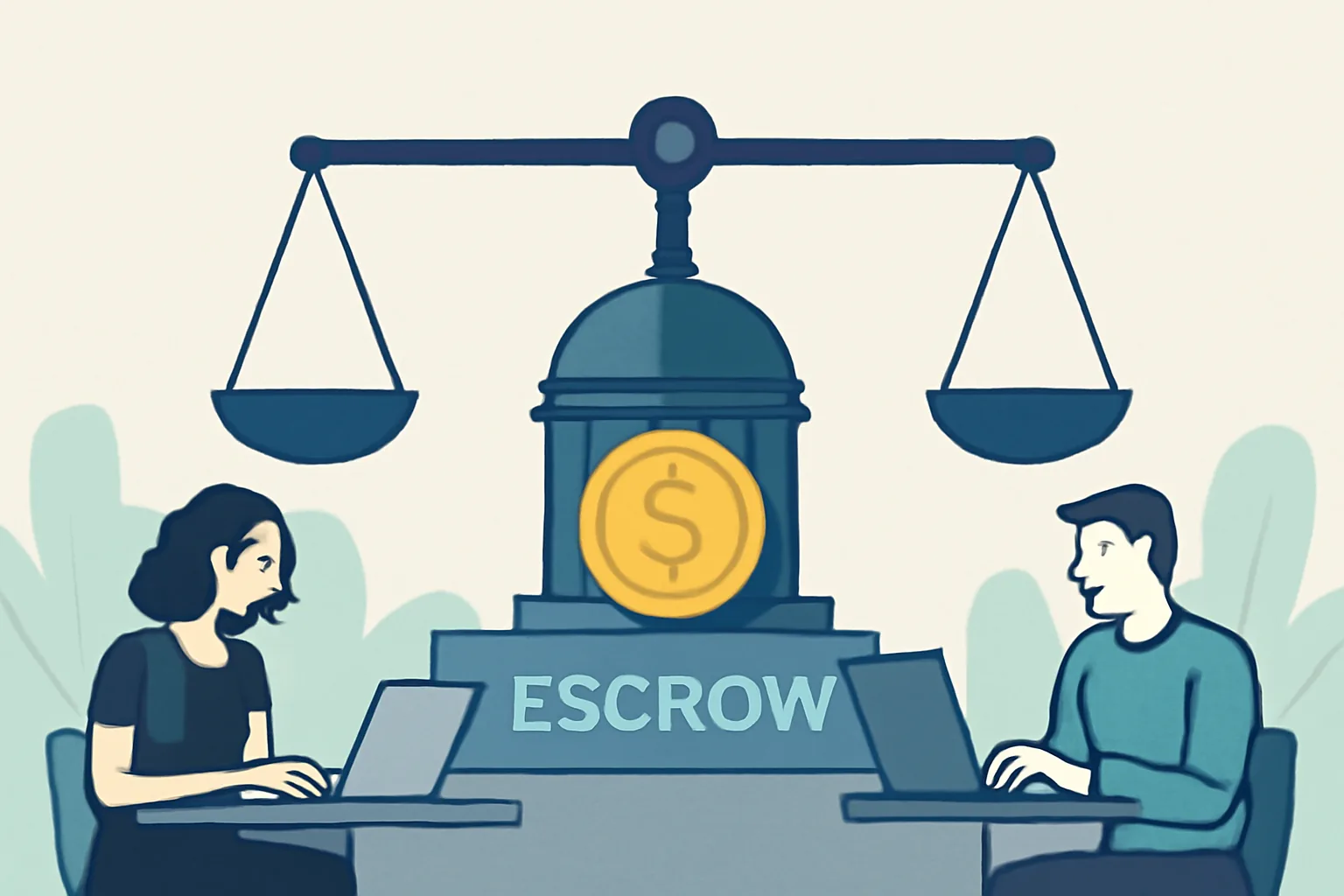
Fraud prevention is a quieter use. The marketplace may compare devices, payment behavior, and message patterns to spot duplicate accounts or fake escrow activity. A sudden jump from one country to another can be enough to trigger a review.
Service providers often need limited access too. Email delivery systems, cloud storage vendors, analytics tools, and payment processors may receive data needed to perform their tasks. A platform should share only what is necessary, though users often learn the details only when they read the policy line by line. Those lines matter.
Legal compliance can force retention or disclosure. If a court order, tax rule, or anti-fraud law requires certain records, the marketplace may have to keep them longer than a user expects. This is one reason the question of what information can a freelance marketplace collect about users has no single short answer.
For users who like site rules written plainly, the rules of the 24freelance.pro site. freelance page is worth reading before uploading files, opening disputes, or asking for exceptions that the system will not grant.
Practical Limits Users Should Watch
A user should check whether the marketplace asks for 5 things or 15. That difference changes privacy expectations immediately. If a platform requests ID, billing data, and social links all at once, the user should ask why each field exists and whether it is optional.
Users should also watch for data that becomes public by default. A profile photo is one thing; an address is another. A portfolio can be public while support tickets stay private, and those boundaries should be spelled out clearly in the account settings, not buried in a footer.
Retention periods deserve attention as well. If transaction records stay for 7 years, that is a normal accounting practice in many places. If chat history remains after account closure, the user should know that before sending private business details through the system.
Small platforms can collect the same categories as large ones, just with fewer staff. That means a freelancer should not assume that a small site stores less data only because it feels simpler. Simpler interface, yes. Smaller data trail, not necessarily.
Anyone building a profile for a niche service, such as freelance for designers, should treat each uploaded sample as both marketing material and stored personal data, because the platform will keep the file long enough to matter.
What a Careful User Can Check Before Signing Up
Before creating an account, users can look for 4 things: the privacy policy, the payment policy, the verification policy, and the support path for disputes. If one of those is missing, the platform is asking for trust without offering much back.
Users can also review whether the site says which third parties receive data. A payment processor is expected. A marketing partner is a different matter. Clear naming helps. Vague wording does not.
One useful habit is reading the profile fields before filling them in. If a marketplace asks for education, certifications, languages, and rates, the user can decide which items are genuinely needed and which ones are only public-facing. A field left blank is sometimes the safest answer.
For broader background on platform structure and service categories, the article on cloud computing technology helps explain why many marketplace systems store data across multiple services instead of one local server.
That is the real tradeoff. A freelance marketplace collects enough information to operate, but it also accumulates enough detail to create risk if the platform is careless. Users who notice the difference early tend to ask better questions, and better questions usually lead to better decisions.


Comments 0
No comments yet — be the first.